Where do cultures of technology, innovation, and science come from? How do dominant and alternative ideas evolve and travel? How do experts change the world as it changes them? I answer these global questions with a focus on the 20th and 21st century United States. Collaborating with students and practitioners, I use history for reflection and reform.
Innovation
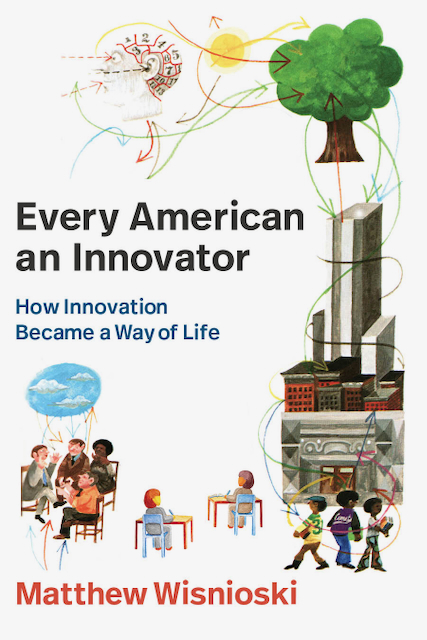
Every American an Innovator
For half a century, innovation served as a universal good in an age of fracture. That consensus is cracking. While the imperative to innovate for a better future continues to fuel systemic change around the world, critics now assail innovation culture as an engine of inequality or accuse its do-gooders of woke groupthink. What happened? Drawing on a decade of research, Every American an Innovator reveals how the relentless pursuit of innovation has transformed our society, our institutions, and our inner selves.

Does America Need More Innovators?
What can we learn when we bring together leading champions, critics, and reformers of innovation in dialogue to explore the past, present, and future of innovation initiatives? This volume is a partnership between Virginia Tech and the Smithsonian’s Lemelson Center for the Study of Invention and Innovation. Its organizers were myself, Eric Hintz, and Marie Stettler Kleine. The book is available as a free open-access edition on the MIT Press website.
Science Education and Multimedia

Science Education and Multimedia Edutainment
My latest project, a collaboration with Radford professor Michael Meindl, investigates the development, use, and impact of science multimedia for young children. It utilizes the history of The Magic School Bus (MSB), one of the most successful informal science initiatives of the past forty years, to study the relationship between education reform, children’s media, and public-private partnerships from the 1980s to the present. You can read our research questions and initial findings here.
Engineering Studies
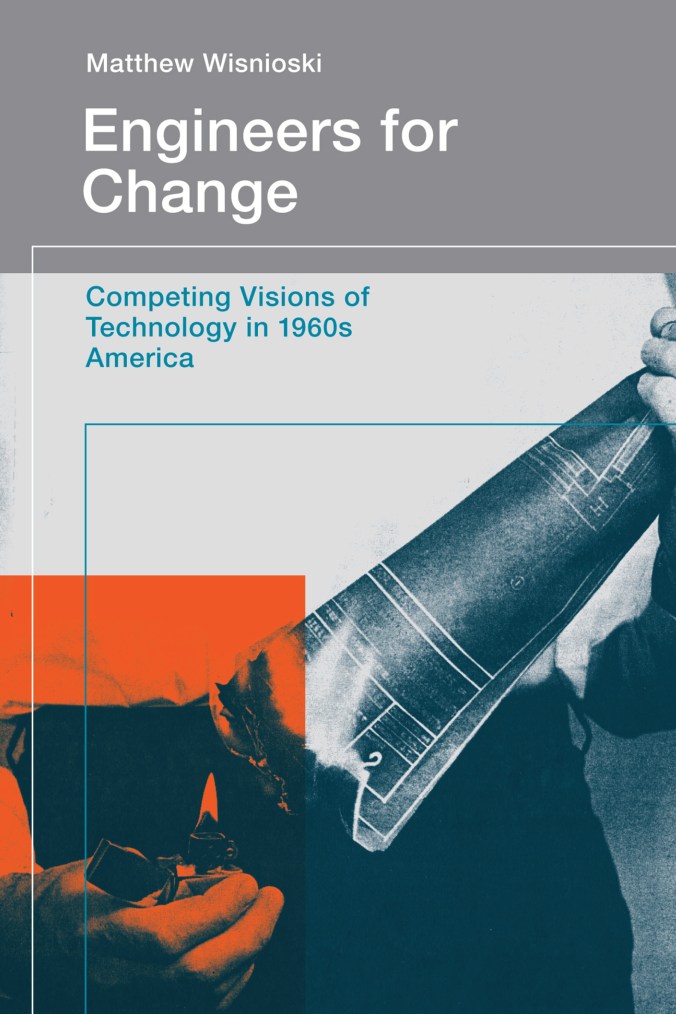
Engineers for Change
My first book shows how engineers in the 1960s helped shape our understanding of technological change as the driver of history. I follow engineers who joined antiwar and civil rights activists of the era. These dissidents were criticized by peers who regarded them as countercultural Luddites. And yet, the radical minority spurred professional elites to promote a view of technology as a rapidly accelerating force that our institutions are ill-equipped to handle.
Revolutionizing Engineering Departments
From 2016 to 2022, I worked on a “long haul collaboration” to help change the culture and curriculum of one of the largest electrical and computer engineering departments in the country as part of an NSF RED project. I mentored the amazing Annie Patrick. You can learn more about the project from her podcast. I also have collaborated with colleagues in human centered design, mechanical engineering, and ICAT to engage engineers in STS theories and practices.
Science, Engineering, Art, and Design
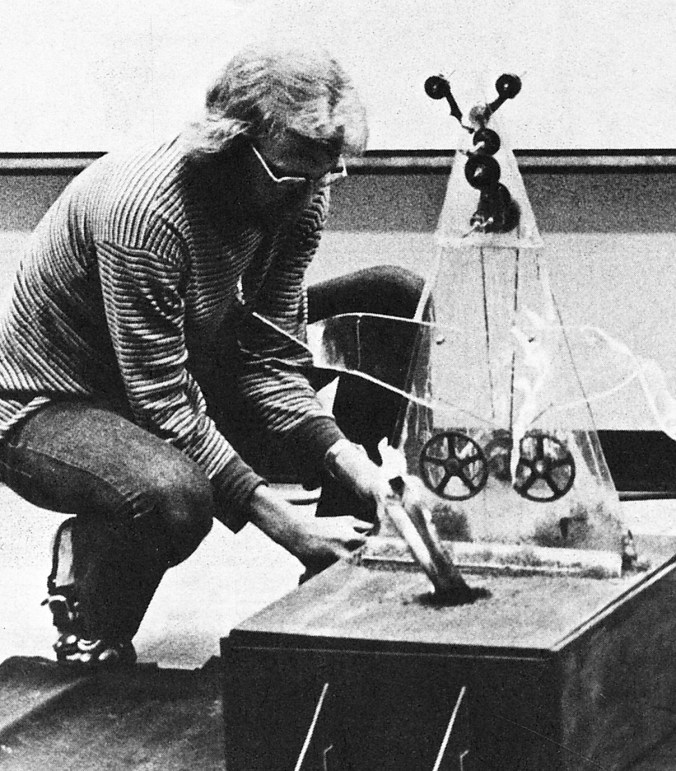
Historical Studies
My interest in art & technology began when writing Engineers for Change. I wanted to know why engineers in the 1960s participated in Experiments in Art and Technology (EAT). From there I turned to art & technology institutions from the 1960s to the 1990s. What motivated them? Why did they succeed or fail? I focus on MIT’s Center for Advanced Visual Studies (CAVS) and Media Lab from the 1960s to the early 1990s.

Contemporary Studies
SEAD is a billion dollar enterprise remaking transdisciplinary research and careers. With Kari Zacharias, I explored the networked-movement behind the boom in SEAD institutions. We asked how SEAD is changing the nature of discovery, engagement, education, and the identities of those involved (including our own). I also played a formative role as a Senior Fellow in Virginia Tech’s Institute for Creativity, Arts, and Technology (ICAT).
 Matthew Wisnioski